Posted by Dwayne Moloughney
on July 24, 2025

Alzheimer’s disease is a specific form of dementia characterized by the accumulation of amyloid-beta plaques and tau tangles in the brain. These pathological features cause neuronal damage, loss of synapses, and brain atrophy, leading to memory impairment, difficulty reasoning, and personality changes.
Dementia is an umbrella term describing a decline in cognitive function severe enough to interfere with daily life, with Alzheimer’s being the most common cause. Other forms include vascular dementia, Lewy body dementia, and frontotemporal dementia.
Underlying mechanisms:
- Oxidative stress and inflammation damage neurons.
- Impaired neurotransmission affects memory and learning.
- Reduced neurogenesis (generation of new neurons) and neuroplasticity (brain’s ability to reorganize and form new connections) contribute to progression.
The Roles of Neurogenesis and Neuroplasticity
Neurogenesis is the process by which new neurons are formed, primarily in the hippocampus, a region key to memory formation. Healthy neurogenesis can help replace damaged neurons and restore cognitive functions.
Neuroplasticity refers to the brain’s capacity to rewire itself by forming new synaptic connections in response to learning, experience, or injury. Enhancing neuroplasticity allows the brain to compensate for lost functions and recover some cognitive abilities.
In Alzheimer’s and dementia, both neurogenesis and neuroplasticity are diminished, accelerating cognitive decline. Interventions that stimulate these processes are thus vital for supporting brain resilience.
How Medicinal Mushrooms Support Brain Health
Medicinal mushrooms have been used for centuries in traditional medicine systems, notably in Asia. Recent scientific studies are uncovering their potential to combat neurodegeneration through various mechanisms:
1. Neuroprotective Antioxidants:
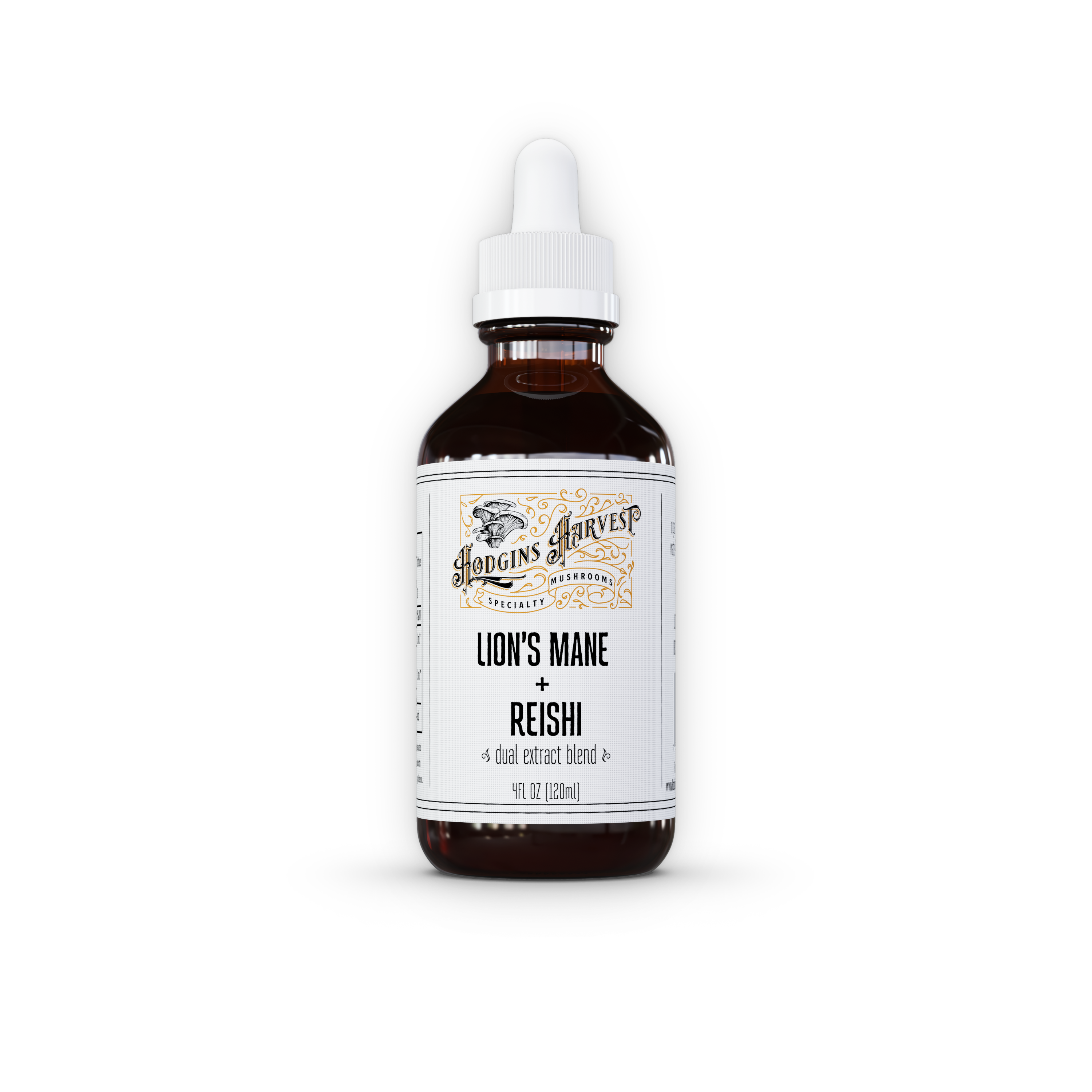
Mushrooms like Reishi (Ganoderma lucidum) and Lion’s Mane (Hericium erinaceus) contain bioactive compounds, including polysaccharides, triterpenoids, and phenols, which neutralize free radicals and reduce oxidative stress—a key driver of neuronal damage in Alzheimer’s.
2. Promotion of Neurogenesis and Neuroplasticity:
Lion’s Mane is especially notable. Studies have shown that its compounds, such as hericenones and erinacines, stimulate the synthesis of Nerve Growth Factor (NGF), essential for the growth and survival of neurons, thereby supporting neurogenesis and enhancing synaptic plasticity.
Research example:
A 2019 clinical trial published in Integrative Medicine Research showed that daily supplementation with Lion’s Mane extract significantly improved cognitive scores in older adults with mild cognitive impairment (MCI), suggesting enhanced neuroplasticity and neuronal regeneration.
3. Modulation of Inflammation and Amyloid Beta:
Medicinal mushrooms can modulate immune responses and decrease inflammation—a major factor in Alzheimer’s progression. Some compounds can also influence the clearance of amyloid plaques, reducing neurotoxicity.
Research example:
A study in Evidence-Based Complementary and Alternative Medicine found that polysaccharides from Reishi inhibited inflammatory pathways and protected neurons from amyloid-beta-induced toxicity in vitro.
4. Improving Mitochondrial Function:
Fungal compounds enhance mitochondrial health, providing neurons with the energy needed for repair and maintaining synaptic function.
Enhancing Brain Resilience Through Natural Support
While medicinal mushrooms are not a cure for Alzheimer’s or dementia, they hold promise as supportive interventions. They bolster neurogenesis and neuroplasticity, essential for the brain’s ability to recover and adapt.
Complementary strategies include:
- Maintaining a nutrient-rich diet high in omega-3s, antioxidants, and B-vitamins.
- Engaging in physical and mental exercises that stimulate neuroplasticity.
- Managing inflammation and oxidative stress through lifestyle and natural supplements.
Final Thoughts
Alzheimer’s and dementia remain complex diseases with no definitive cures yet. However, leveraging the power of medicinal mushrooms, alongside a holistic approach to brain health, offers hope for delaying progression, improving quality of life, and supporting cognitive resilience.
Research is ongoing, and early intervention is key. If considering medicinal mushrooms as part of a health regimen, consult with healthcare professionals, especially if on medications or managing other conditions.
By understanding the critical roles of neurogenesis and neuroplasticity in brain health, and leveraging natural compounds like medicinal mushrooms to support these processes, we can take proactive steps toward maintaining cognitive function well into old age. With continued research and clinical validation, medicinal mushrooms may become a vital component in the battle against neurodegenerative diseases, offering a natural, holistic approach to brain longevity and resilience.
Remember: While natural interventions can support brain health, they should complement medical treatments and healthy lifestyle practices. Early diagnosis, professional guidance, and a balanced approach are essential in managing or delaying the progression of Alzheimer’s and dementia.
Disclaimer: The information provided in this article is for educational purposes only and should not substitute professional medical advice. Consult with a healthcare provider before starting any new supplement, especially if you have existing health conditions or are on medications.